When we think about bees, we usually picture colorful wildflowers buzzing with activity. Yet some of the busiest pollinator highways are high above our heads—in the flowering canopies of trees.
Trees are far more than a backdrop to the landscape. They are living communities that provide food, shelter, and nesting habitat for native bees throughout the year.
In early spring, before many wildflowers begin to bloom, trees such as willow, bigleaf maple, red alder, and black cottonwood provide life-sustaining pollen and nectar for newly emerged queen bumble bees and many solitary native bees. These early blooms fuel bees as they establish nests and begin raising the next generation.
Trees do more than feed bees—they provide homes. Aging trees, broken branches, and standing dead trees (called snags) are filled with natural cavities and old beetle tunnels that become nesting sites for cavity-nesting bees such as mason bees and leafcutter bees. To us, an old tree may look lifeless, but to a native bee, it can be the perfect place to raise the next generation.
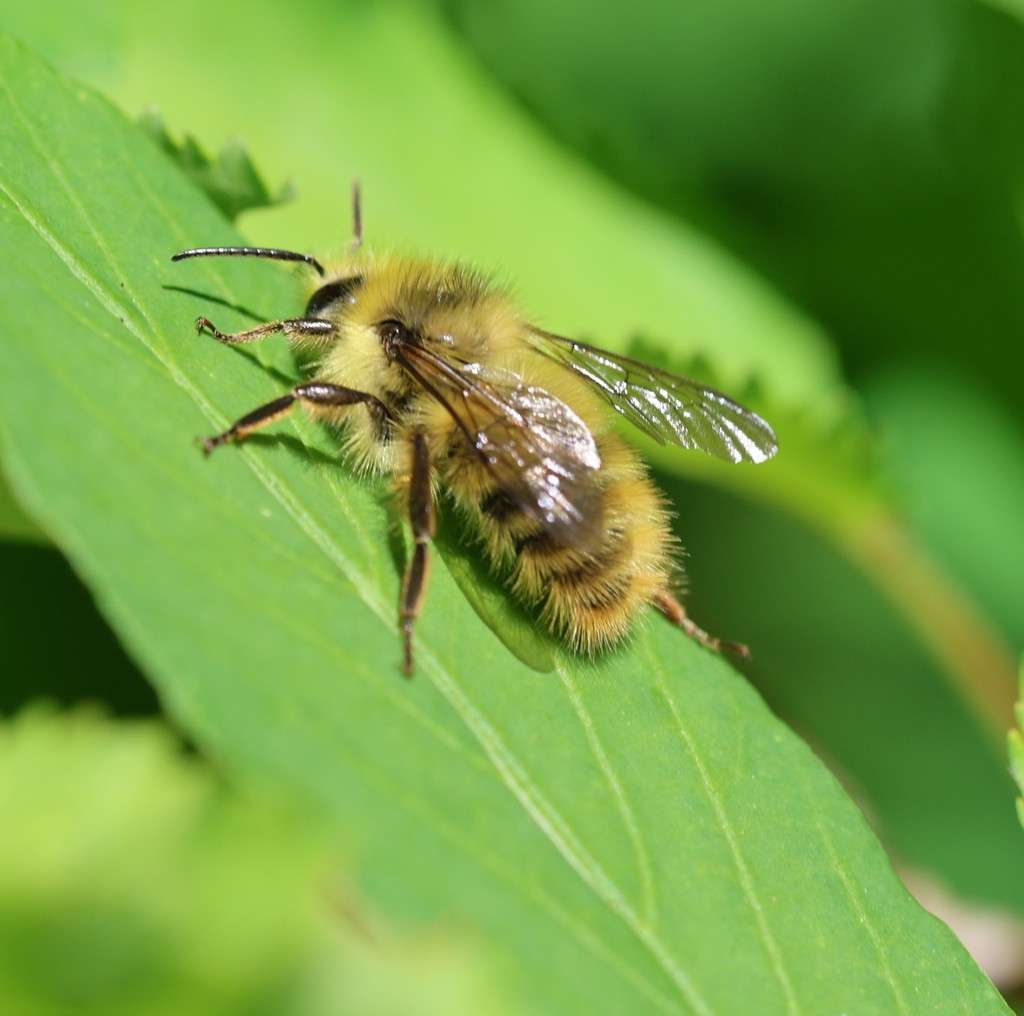
Trees offer places to rest as well. If you look closely on a warm afternoon, you may spot a bumble bee resting quietly on a leaf. These leafy retreats provide shade during hot weather and a safe place to pause between foraging trips. It’s another reminder that trees support bees in ways that extend far beyond flowers.

A mature tree supports much more than bees. Its bark shelters insects. Its flowers feed pollinators. Its leaves nourish caterpillars. Birds forage among its branches, fungi recycle fallen wood, and countless organisms depend on one another in an intricate web of life. Every tree is a thriving neighborhood, supporting life in ways we seldom see.
The next time you visit Ridgefield National Wildlife Refuge, take a moment to pause beneath a tree. Look up into its branches, then look closely at its leaves. You might hear the soft hum of bees gathering pollen high in the canopy or discover a bumble bee quietly resting in the shade. What appears to be an ordinary tree is actually one of nature’s energetic communities.
Trees also remind us of something beyond nature. When we walk through a forest, we don’t judge a tree for being bent, tall, weathered, or growing in an unexpected direction. We recognize that its surroundings have shaped its growth, and we simply appreciate it for what it is. Perhaps we can offer one another that same grace—recognizing that our own experiences shape who we become and choosing appreciation over judgment.
Protecting trees means protecting entire neighborhoods of life. Every blossom, every branch, every cavity, and every mature tree contributes to a healthy refuge where native bees—and the ecosystems they support—can thrive.
-Anne Bulger, Friends of RNWR Board Member, & OSU Master Melittology Lead Instructor for the RNWR Complex
Stay updated on Refuge events, news, and wildlife sightings!


Shop for items that the Friends and the Refuge Complex need to help with everything from habitat restoration to events like BirdFest & Bluegrass, and help support wildlife in little and big ways.
Learn More »
Sign up for the Community Rewards program by linking your Fred Meyer Rewards Card to Friends of Ridgefield National Wildlife Refuge (PK822). For more information, please visit the link below.
Learn More »