As spring moves toward summer in Clark County, gardens begin buzzing with activity. Many people notice “bees” visiting flowers, but few realize they are often observing an incredible diversity of native species rather than just honeybees.
Washington State is home to more than 600 species of native bees, and many can be found right here in our own backyards, parks, and wildlife habitats. Once you begin looking closely, a whole new world appears.
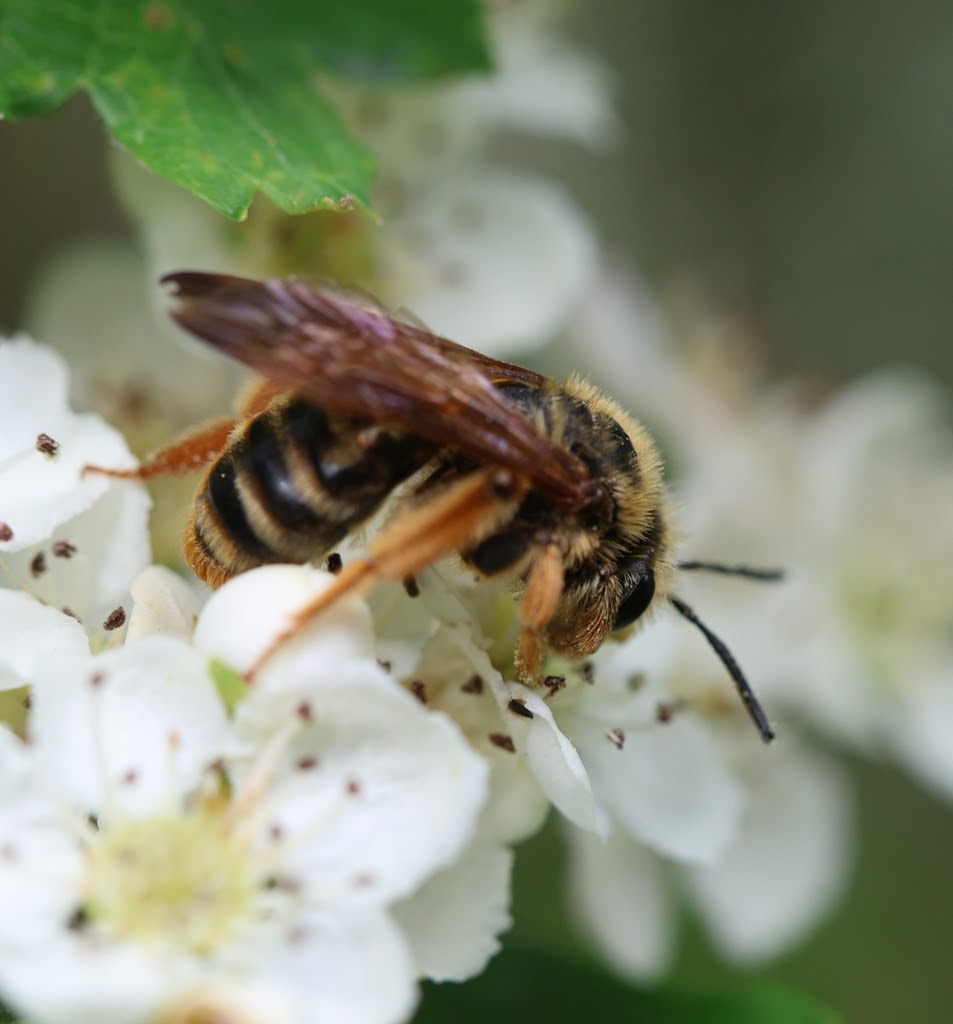
Some native bees are tiny — smaller than a grain of rice — while others are large, fuzzy, and surprisingly charismatic. Metallic green sweat bees shimmer in the sunlight like living emeralds. Long-horned bees carry pollen on their back legs in thick golden brushes. Leafcutter bees neatly trim circles from leaves to build nursery chambers for their young. Mason bees fly early in spring, carrying mud to partition nesting tunnels.
Unlike honeybees, most native bees are solitary. They do not live in hives or produce honey. Each female builds and provisions her own nest, whether underground, inside hollow stems, or within natural cavities in wood. Because they are not defending a colony, most native bees are remarkably gentle and often go unnoticed by people nearby.
One of the things people often tell me after they start paying attention to native bees is, “I had no idea there were so many different kinds!” And it is true. Once you begin looking closely, you suddenly notice tiny shiny green bees, chunky bumble bees, fuzzy little bees dusted in pollen, and species so small they almost disappear into the flowers.
Another wonderful thing about native bees is that different species appear throughout the seasons. Some are early spring specialists, while others arrive during the warmer days of summer when gardens are overflowing with blooms. By planting flowers that bloom from spring through fall, even a small backyard garden can become an important refuge for many different pollinators over the course of the year.
The good news is that helping native bees does not require a perfect garden. A diversity of blooming flowers, reduced pesticide use, patches of bare ground, and a willingness to let nature be a little less tidy can all provide meaningful habitat.
This time of year offers one of the best opportunities to slow down and observe. Watch the flowers closely. Notice differences in size, color, flight patterns, and behavior. The bee visiting your Pacific Bleeding Heart is likely not the same species working your lavender or clover.
The more time people spend noticing native bees, the more these small pollinators stop feeling like background insects and begin to feel like neighbors — each carrying out a small but essential role in the living landscape around us.
-Anne Bulger, Friends of Ridgefield NWR Board Member, & OSU Master Melittology Lead Instructor for the RNWR
Stay updated on Refuge events, news, and wildlife sightings!
Shop for items that the Friends and the Refuge Complex need to help with everything from habitat restoration to events like BirdFest & Bluegrass, and help support wildlife in little and big ways.
Learn More »
Sign up for the Community Rewards program by linking your Fred Meyer Rewards Card to Friends of Ridgefield National Wildlife Refuge (PK822). For more information, please visit the link below.
Learn More »